
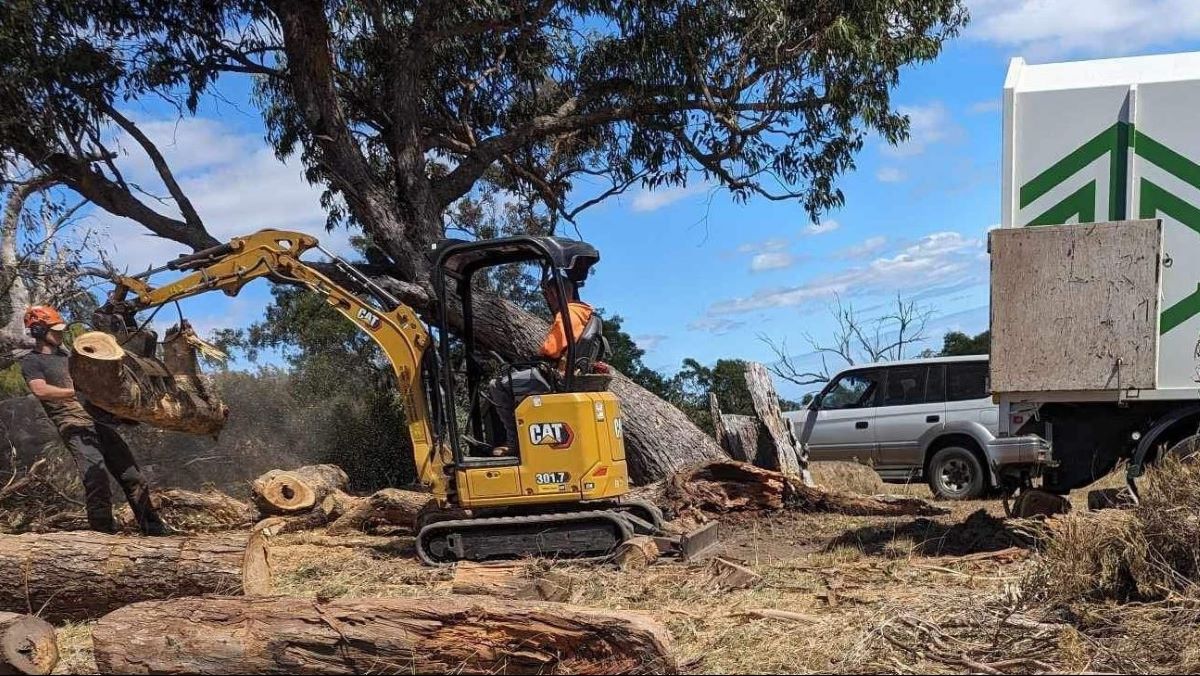
This guide breaks down the main factors that influence what they might pay and what to ask for when comparing quotes.
What is the typical price range for tree removal in Sydney?
Tree removal cost will usually see quotes that range from a few hundred dollars for a small, easy tree to several thousand for large or high-risk removals. The final figure depends less on the suburb and more on the tree’s size, access, and complexity.
If a quote seems unusually low, it often excludes important items like green waste removal, stump grinding, traffic control, or council approvals.
How does the size and height of the tree affect the cost?
Bigger trees typically cost more because they take longer to dismantle and require larger crews and heavier equipment. Height matters, but so does trunk diameter, canopy spread, and how the tree must be rigged down safely.
A tall tree with a wide canopy near buildings often costs more than a taller but isolated tree in an open yard.
Why does the tree’s location and access change the quote so much?
Access is one of the biggest pricing drivers because it controls how efficiently crews can work. If they can back a truck and chipper close to the tree, the job is faster and cheaper.
If access is through a narrow side path, down steps, behind a pool, or on a steep block, the crew may need more labour and time. Limited access can also prevent machinery use, which increases manual handling and cost.
How do hazards near the tree influence pricing?
Proximity to houses, fences, neighbouring properties, powerlines, and public areas raises risk and usually raises the price. High-risk removals may require advanced rigging, additional staff, and more careful sectional dismantling.
In some cases, they may need coordination with a utility provider if the tree is close to service lines. That kind of planning and compliance can add to the quote.
Does tree condition (dead, storm-damaged, or leaning) increase costs?
Yes, and sometimes significantly. Dead trees can be brittle and unpredictable, while storm-damaged trees may be under tension with unstable limbs. A strong lean can require more complex rigging and controlled lowering.
Although a dead tree might look “easier” because it has fewer leaves, it can be more dangerous to climb and dismantle, which can push pricing upward.
What role does equipment play in tree removal cost?
Equipment choice affects both speed and safety. Jobs that require cranes, elevated work platforms (EWPs), skid steers, or specialised rigging generally cost more than straightforward removals.
However, equipment can sometimes reduce total labour time. A higher upfront machinery charge may still be better value if it shortens the job and reduces risk.
Are stump grinding and root removal included in the price?
Often, they are not included unless specified. Many companies quote tree removal as cutting the tree down to ground level, then treat stump grinding as an optional add-on.
Stump grinding cost depends on stump diameter, access, and how deep they want it ground. If they plan to re-turf, pave, or replant, they should ask what depth is included and whether surface roots will be addressed.
How much do waste removal and disposal affect the final cost?
Green waste handling is a major part of the job cost. Chipping, loading, hauling, and tipping fees all add up, especially for large canopies or multiple trees.
Some quotes include removal of all debris, while others offer a discount if they keep mulch onsite or if the homeowner wants logs left for firewood. They should confirm exactly what “clean-up” means in the quote. Read more about reducing waste.
Do council rules, permits, and protected trees change the price?
They can. Some trees in Sydney are protected, and removal may require council approval or an arborist report. The time spent assessing the tree, preparing documentation, and waiting for approvals can add cost.
They should not assume a company will “handle permits” unless it is clearly stated. If approvals are required and skipped, the homeowner may still be responsible for compliance issues.
Why do emergency and after-hours callouts cost more?
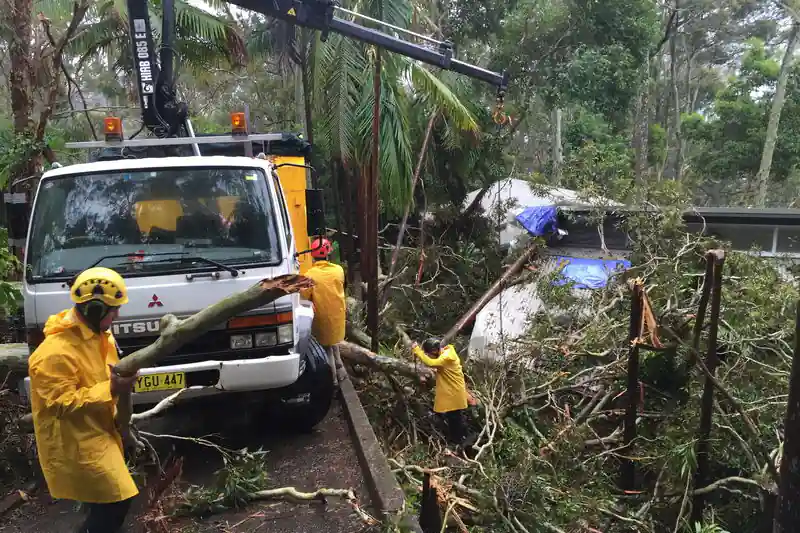
Emergency removals after storms often cost more because they involve urgent scheduling, higher risk conditions, and sometimes working outside standard hours. Crews may also need to make the site safe first, then return later to complete full removal and clean-up.
If they want a lower price, booking during normal business hours and avoiding peak storm periods usually helps.
What should they look for in a quote to avoid surprises?
They should look for a quote that spells out scope, inclusions, and exclusions in plain language. The best quotes are specific about what will be removed, how the site will be left, and what conditions might change the price.
A simple checklist they can ask for:
- Is stump grinding included, and to what depth?
- Is all green waste removed, and are tipping fees included?
- Will they need council approval, and who arranges it?
- Is the price fixed or subject to site conditions on the day?
- Is the work insured, and can they provide proof?
How can they reduce tree removal costs without cutting corners?
They can reduce costs by improving access, bundling multiple trees into one booking, and being flexible with scheduling. Keeping mulch onsite or requesting logs be left can also reduce disposal charges.
Most importantly, they should compare quotes on the same scope. The cheapest price is rarely the best value if it excludes the items they actually need. For a deeper understanding, you can read about palm tree removal in Sydney and how to manage large or hazardous palms safely.
What is the best way to get an accurate tree removal price in Sydney?
They will get the most accurate price from an onsite assessment, especially for large trees or complex locations. Photos can help for rough estimates, but factors like access width, rigging points, and overhead hazards are hard to price correctly without a visit.
When they collect two to three like-for-like quotes and confirm inclusions, they will usually land on a price that is fair, safe, and predictable.
FAQs (Frequently Asked Questions)
What factors influence the cost of tree removal in Sydney?
Tree removal costs in Sydney vary widely due to differences in site conditions, tree size and type, access difficulty, risk level, time required on tools, disposal needs, and additional services like stump grinding. Each job is unique, so pricing depends on these key factors.
How does the size and location of a tree affect its removal price?
Larger trees typically cost more because they require longer dismantling times, bigger crews, and heavier equipment. The tree’s location and access also heavily impact cost; easy access allows faster work with machinery, while narrow paths or steep blocks increase labour and time, raising the price.
Are stump grinding and green waste disposal usually included in tree removal quotes?
Often, stump grinding and green waste removal are not included unless specifically stated. Many companies quote only for cutting the tree down to ground level. Disposal fees for chipping, hauling, and tipping can add significantly to the final cost. It’s important to confirm these inclusions when comparing quotes.
Do council permits and protected tree regulations affect tree removal pricing?
Yes. Some trees in Sydney are protected and require council approval or arborist reports before removal. The assessment process, documentation preparation, and waiting periods can add to costs. Homeowners should verify if permit handling is included in the quote to avoid compliance issues later.
Why might emergency or after-hours tree removals be more expensive?
Emergency removals after storms or outside normal business hours often cost more due to urgent scheduling demands, higher risk conditions, and potential need for initial site safety measures before full removal. Scheduling removals during regular hours usually helps reduce costs.
What should I look for in a tree removal quote to avoid unexpected charges?
A clear quote should specify the scope of work, inclusions like stump grinding depth and green waste disposal, whether council approvals are handled, if pricing is fixed or conditional on site factors, and proof of insurance. Asking these questions ensures transparency and helps avoid surprises.
