
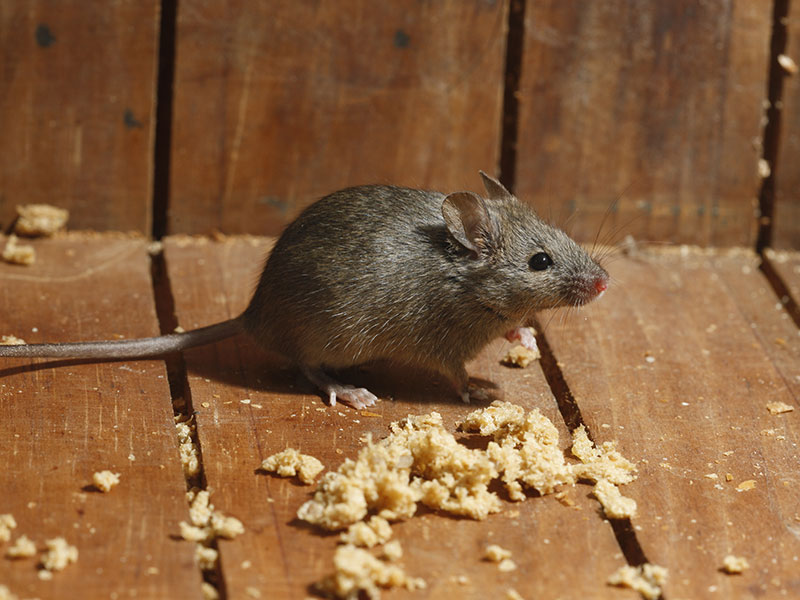
They might only notice a faint scratching at night or a musty smell at first. But roof and underfloor activity can quickly turn into chewed wiring, contaminated insulation, and ongoing noise.
What makes roof spaces so attractive to rodents?
Professional rodent control Sydney services are often needed because roof spaces offer warmth, safety, and nesting material, allowing rats and mice to breed with little disturbance. Once inside, they tend to travel along beams and insulation, leaving droppings and urine in areas that are hard to spot.
In Sydney, roof voids also connect to many easy entry points. Broken tiles, gaps at eaves, and poorly sealed penetrations around pipes or cables are common routes.
What makes subfloors and crawl spaces high risk?
Subfloors stay dark, sheltered, and humid, which suits rodents looking for cover and water sources. They can also move between properties via fence lines, drains, and vegetation, then slip under a home through vents or gaps.
They often follow pipes and edges, creating runways in soil or dust. That makes activity easy to miss until smells, droppings, or pet interest become obvious.
How do rodents typically get into roof spaces and subfloors?
They usually enter through construction gaps, damaged materials, and overlooked service penetrations. Rats can climb brickwork and rough surfaces, while mice squeeze through surprisingly small openings.
Common access points include loose roof tiles, gaps under ridge capping, unsealed downlight cut-outs, broken air vents, and cracks around plumbing. Under a home, gaps around subfloor vents, missing mesh, and poorly fitted access hatches are frequent culprits.
What are the clearest signs of rodents in these areas?
They often leave specific clues that point to where they are nesting and travelling. The strongest indicators are droppings, rub marks, and gnawing damage.
In roof spaces, they may find shredded insulation, nesting in corners, and scratching sounds at night. In subfloors, they may notice muddy tracks, burrows near footings, and droppings clustered along walls or pipes.
Why are roof and underfloor infestations more dangerous than they look?
Rodents can cause expensive damage long before anyone sees them. Chewed electrical wiring raises fire risks, and damaged ducting or insulation affects comfort and energy costs.
They also contaminate surfaces with urine and droppings, which can spread bacteria and trigger allergies. In enclosed spaces like roof voids, smells and contamination can build up quickly and seep into living areas.
What should they avoid doing if they suspect rodents?
They should avoid placing random baits in roof voids or subfloors without a plan. Poor bait placement can lead to dead rodents in inaccessible areas, causing persistent odours and flies.
They should also avoid sealing entry points too early. If rodents are trapped inside, they may die in walls or force new holes, making the problem harder and more expensive to resolve.
How does a proper inspection of roof spaces and subfloors work?
A proper inspection identifies where rodents enter, where they nest, and how they move. It also checks for contributing factors such as moisture, clutter, stored items, and vegetation contact.
In roof spaces, inspectors typically look for droppings, runways, chewed wiring, and gaps at eaves or tile lines. Underfloor, they check vents, pipe penetrations, soil runways, and signs of burrowing near the perimeter.
What treatment options actually work in these spaces?
Successful rodent control usually combines trapping or baiting with exclusion and hygiene. In roof voids, secure bait stations or trapping can reduce activity while entry points are mapped.
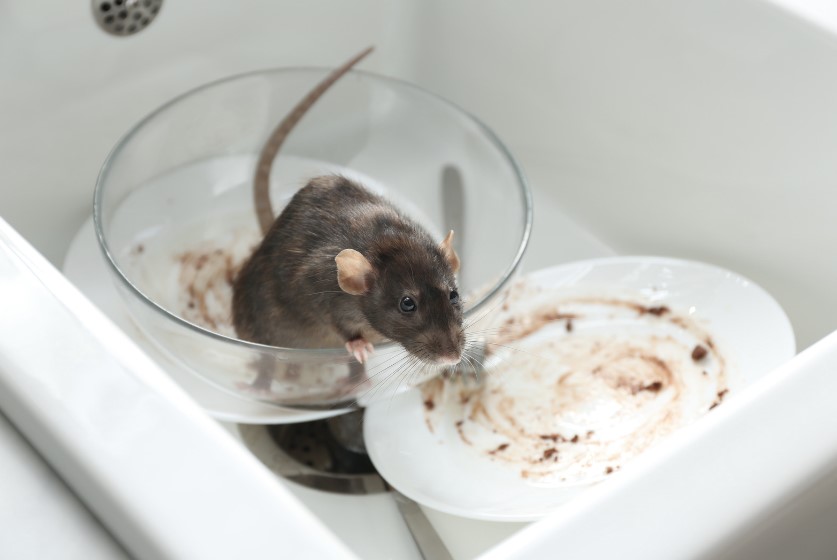
In subfloors, stations are often used along travel routes where rodents hug edges. The most reliable results come when treatment is paired with sealing, so the population cannot simply rebuild after the initial knockdown.
Why is exclusion and proofing the step they cannot skip?
Exclusion is what stops repeat infestations. Without sealing entry points, roof and subfloor treatments often become a cycle of short-term relief.
Proofing usually involves sealing gaps, installing mesh to vents, repairing broken tiles or eaves, and closing service penetrations. The goal is to remove access while maintaining airflow and compliance with building requirements.
What maintenance reduces the chance of rodents returning?
Rodent control lasts longer when the home exterior is kept unfriendly to nesting and climbing. They can reduce risk by cutting back overhanging branches, removing dense ground cover, and keeping compost or pet food secured.
They should also keep storage tidy in roof spaces and reduce moisture under the home. Fixing leaks, improving drainage, and ensuring subfloor vents are intact can make a big difference over time.
When should they call a professional in Sydney?
They should call a professional if activity persists beyond a few days, if there are signs in multiple areas, or if they suspect rats rather than mice. They should also get help if there is wiring damage, strong odours, or droppings near HVAC or insulation.
A professional service can inspect both roof spaces and subfloors, choose the right control method, and prioritise proofing. That is usually the fastest path to a safe, long-term outcome.
FAQs (Frequently Asked Questions)
Why are roof voids and subfloors common places for rodents in Sydney homes?
Rodents favour roof voids and subfloors because these spaces are warm, quiet, and provide numerous entry points. They offer safety, nesting materials, and ideal conditions such as darkness and humidity, making them perfect for breeding and shelter with minimal disturbance.
How do rodents typically enter roof spaces and subfloors in residential properties?
Rodents enter through construction gaps, damaged materials, and overlooked service penetrations. Common access points include loose or broken roof tiles, gaps under ridge capping, unsealed downlight cut-outs, broken air vents, cracks around plumbing, gaps around subfloor vents, missing mesh, and poorly fitted access hatches.
What are the clear signs indicating rodent infestations in roof voids and underfloor areas?
Signs include droppings clustered along walls or pipes, rub marks on beams or insulation, gnawing damage to wiring or materials, shredded insulation in corners, scratching noises at night, muddy tracks in subfloors, and burrows near footings. A musty smell may also be noticeable.
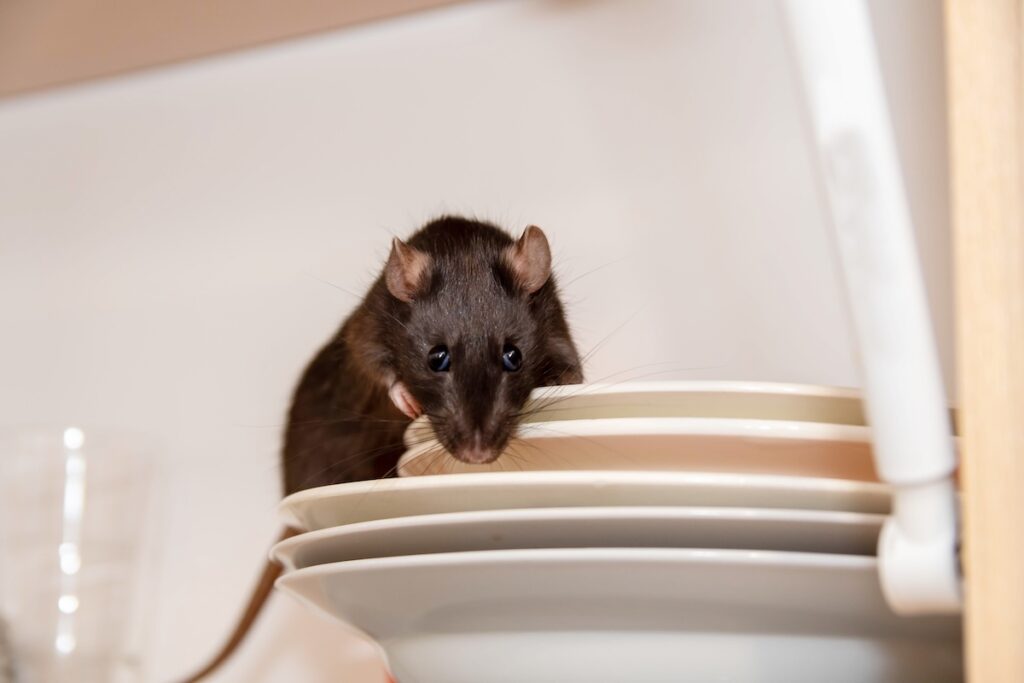
Why is it important not to place random baits or seal entry points prematurely when dealing with rodent infestations?
Random bait placement can result in dead rodents in inaccessible areas causing persistent odours and attracting flies. Sealing entry points too early may trap rodents inside; they might die within walls or create new holes to escape, complicating the problem and increasing costs for removal.
What effective treatment methods are recommended for controlling rodents in roof spaces and subfloors?
Effective control combines trapping or secure baiting with exclusion (proofing) and hygiene measures. Bait stations placed along travel routes reduce activity while sealing entry points prevents reinfestation. Maintaining cleanliness and removing attractants supports long-term success.
When should homeowners in Sydney seek professional help for rodent problems in these hidden areas?
Professional assistance is advised if rodent activity persists beyond a few days, signs appear in multiple locations, rats (rather than mice) are suspected, or there is wiring damage, strong odours, or contamination near HVAC systems or insulation. Experts provide thorough inspections and tailored control plans for lasting results.