
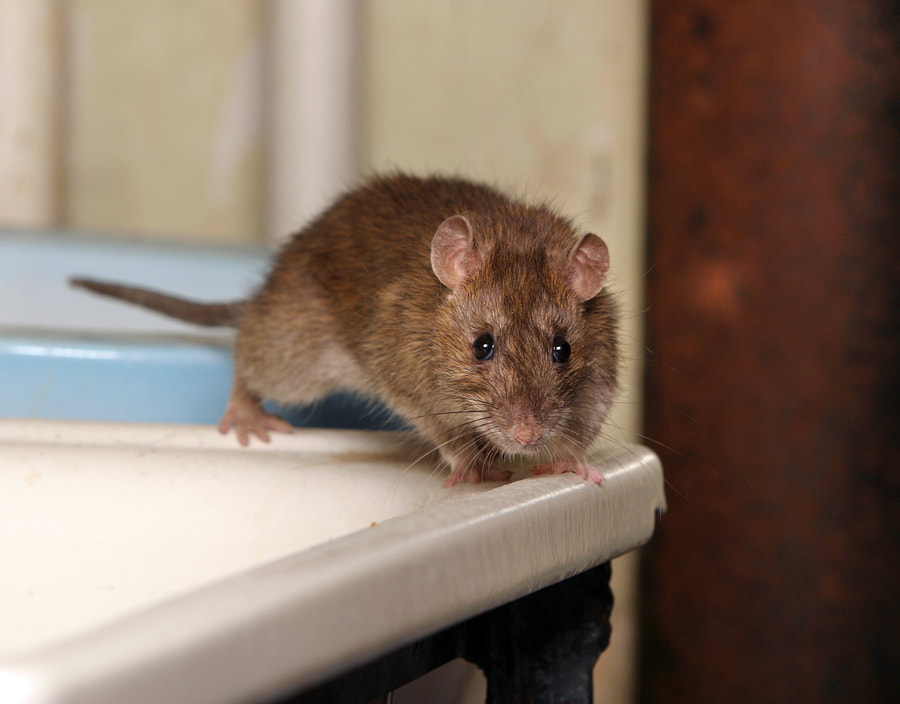
This guide explains what typically attracts mice to a property and what to look for before arranging mice removal in Sydney.
What are mice looking for when they enter a property?
Professional mice removal Sydney services focus on eliminating shelter, food, water, and nesting material sources. If a home provides even two of these consistently, mice will keep returning and may start breeding.
They also prefer properties where they can travel unseen. Dense storage, cluttered garages, and packed roof voids are ideal because mice can move and nest with minimal disturbance.
Which foods attract mice most in Sydney homes?
They are strongly attracted to accessible, high-calorie foods. Pantry items like cereals, rice, pasta, flour, pet food, and bird seed are common culprits, especially when stored in thin plastic or cardboard.
They also target kitchen scraps and bins. Crumbs under appliances, grease around cooktops, and food residue in BBQ areas can be enough to sustain them, even if the home otherwise seems clean.
How do rubbish and compost make mice more likely?
They create a predictable feeding routine. If outdoor bins are overflowing, lids do not seal, or rubbish is left in open bags, mice can feed nightly without taking risks.
Compost can also attract them when it contains bread, grains, or large amounts of food waste near the surface. Even if the compost is well managed, spilled scraps around the bin can become an easy entry point.
Where do mice find water on a residential property?
They often do not need much water, but they will use whatever is available. Leaking taps, slow drips under sinks, condensation around pipes, and pet water bowls can be enough.
Outdoors, they may use irrigation leaks, pooled water near air conditioning units, or damp areas under decks. Persistent moisture also supports insects, which adds another food source.
Why do clutter and storage areas attract mice?
They offer cover and nesting material. Cardboard boxes, paper piles, old fabrics, and stored furniture create protected corridors that mice can use to avoid open spaces.
Garages, sheds, and roof storage are common hotspots because they are quiet and rarely disturbed. When these areas also contain pet food, seed, or general rubbish, they become a complete mouse habitat.
How do mice get inside if a home looks sealed?
They use very small gaps and overlooked entry points. Mice can squeeze through holes roughly the size of a 10-pence coin, especially around pipe penetrations, weep holes, and damaged vents.
Common access points include gaps under external doors, poorly fitted garage doors, cracked weather seals, and openings where cables enter walls. Overhanging branches and climbing plants can also help them reach higher access points.
Do gardens and yards increase mouse activity?
They can, particularly when they provide shelter close to the home. Dense groundcover, long grass, wood piles, and stacked materials create safe runways that reduce a mouse’s exposure to predators.
Fruit trees, veggie gardens, and chicken coops are also strong attractants. Fallen fruit and uncollected produce can feed mice for weeks, while seed and feed storage can turn an outdoor area into a reliable food zone.
Why do mice become more common at certain times of year?
They often become more noticeable when temperatures shift and food sources change. Cooler weather can push them to seek warmth indoors, while dry periods can increase their search for water.
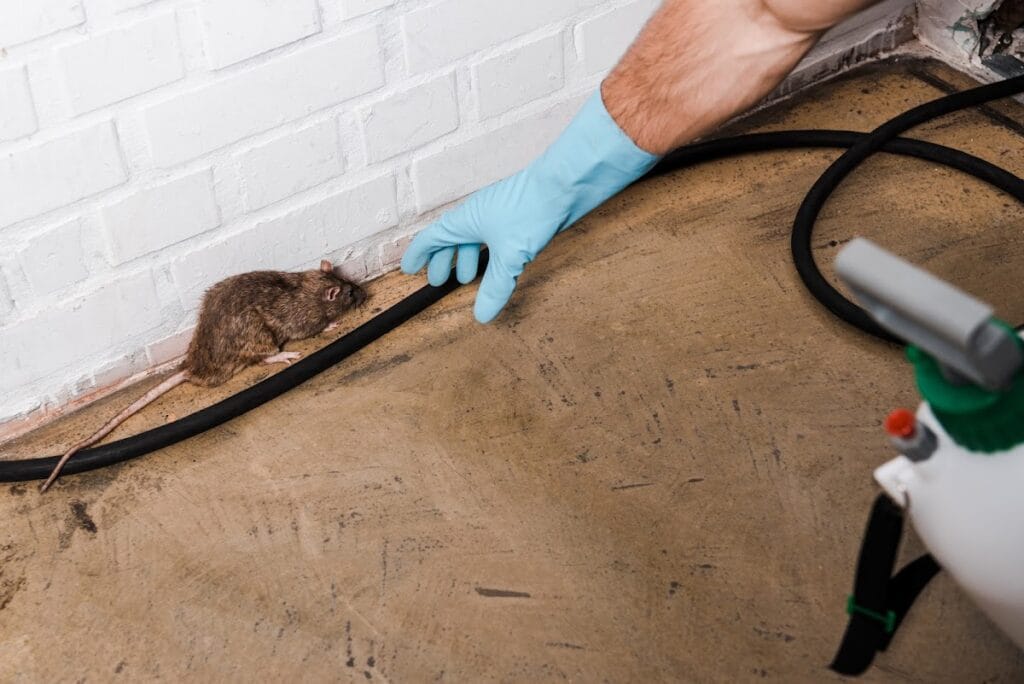
After nearby building works or landscaping, mice can also be displaced and move into neighbouring properties. In many cases, the “sudden” appearance is simply a change in mouse behaviour, not an overnight population boom. Learn more about rodent control Sydney: roof spaces and subfloors explained.
What signs suggest the property is already attracting mice?
Droppings are one of the clearest signs, often found in cupboards, drawers, behind appliances, and along walls. They may also leave gnaw marks on packaging, soft plastics, or timber edges.
Other indicators include scratching sounds in walls or ceilings, musky odours in enclosed spaces, shredded paper or insulation used for nests, and greasy rub marks along skirting boards where they repeatedly travel.
What should happen before booking mice removal in Sydney?
They should identify what is attracting the mice, not just where they are seen. Removal works best when the property is made less appealing at the same time; otherwise, new mice may replace the old ones.
A practical starting point is improving food storage, reducing clutter, sealing obvious gaps, fixing leaks, and tightening waste routines. When combined with professional inspection and targeted control, this approach helps prevent repeat infestations.
FAQs (Frequently Asked Questions)
What attracts mice to homes in Sydney?
Mice are attracted to Sydney homes primarily for shelter, easy access to food, reliable water sources, warmth, and safe hiding spots. Properties offering even two of these essentials consistently can encourage mice to settle and breed.
Which foods commonly attract mice in Sydney households?
Mice are drawn to accessible, high-calorie foods such as cereals, rice, pasta, flour, pet food, and bird seed—especially if stored in thin plastic or cardboard. Kitchen scraps, crumbs under appliances, grease around cooktops, and food residues in BBQ areas also attract them.
How do rubbish bins and compost heaps contribute to mouse infestations?
Overflowing rubbish bins with unsealed lids or open bags provide predictable feeding routines for mice. Compost heaps containing bread, grains, or large amounts of surface food waste also attract mice. Additionally, spilled scraps around compost bins create easy entry points.
Where do mice find water sources on residential properties?
Mice use available water sources such as leaking taps, slow drips under sinks, condensation around pipes, pet water bowls indoors; and irrigation leaks, pooled water near air conditioning units, or damp areas under decks outdoors. Persistent moisture also supports insects that serve as additional food.
Why do cluttered storage areas like garages and sheds encourage mouse activity?
Cluttered storage areas provide cover and nesting materials like cardboard boxes, paper piles, old fabrics, and stored furniture. These spaces offer protected corridors for mice to move unseen. When combined with pet food or rubbish in these areas, they become ideal habitats for mice.
How can homeowners prevent mice from entering seemingly sealed homes?
Mice can enter through very small gaps roughly the size of a 10-pence coin found around pipe penetrations, weep holes, damaged vents, gaps under external doors, poorly fitted garage doors, cracked weather seals, or cable entry points. Overhanging branches and climbing plants can also facilitate access to higher openings. Sealing these entry points is essential for prevention.